WHITE SEPULCHRES
NATASHA LARA HUGHES


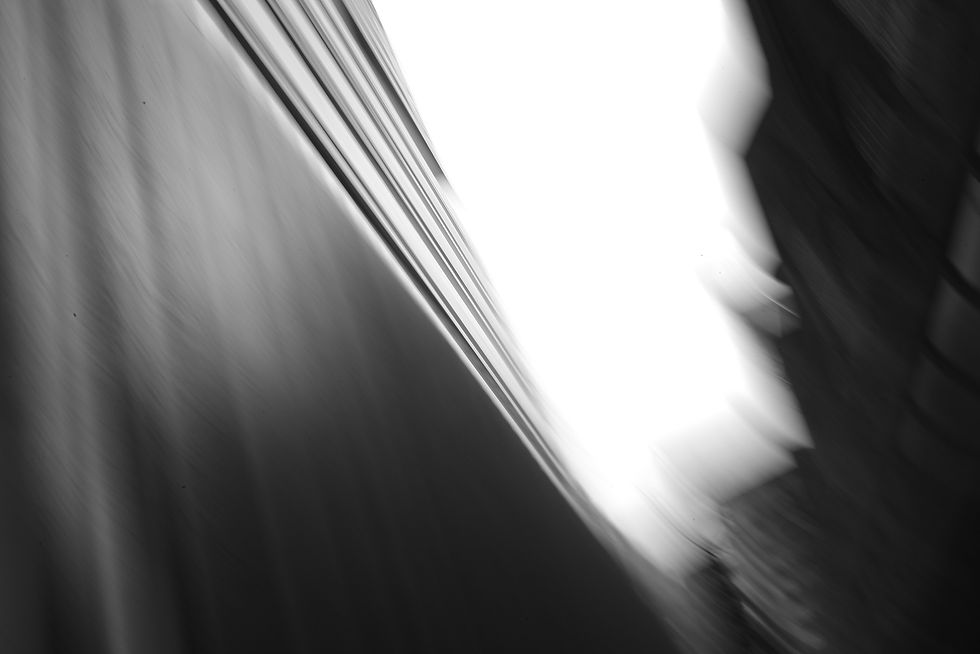


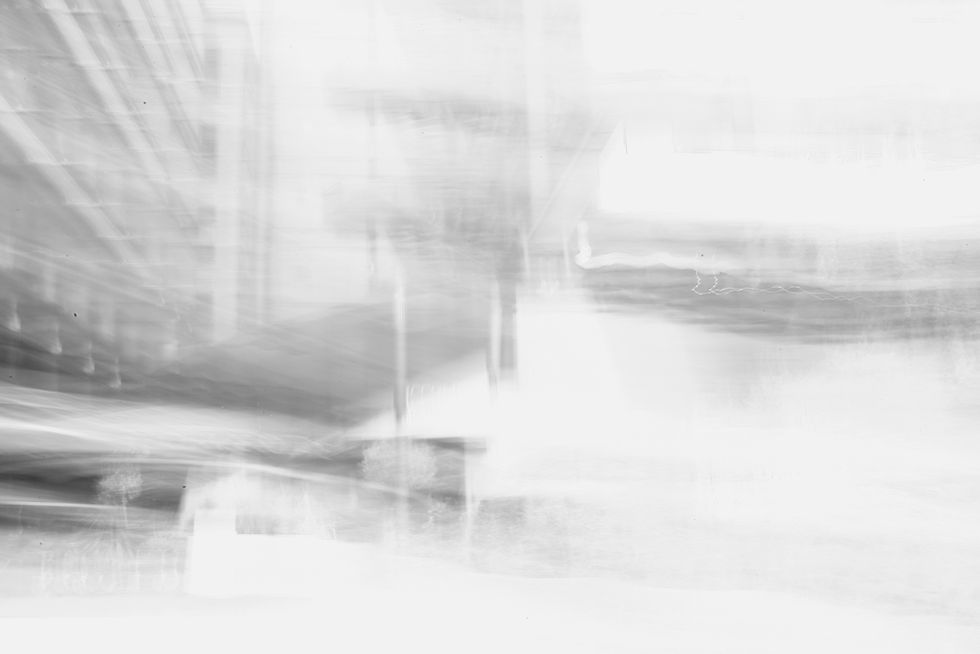

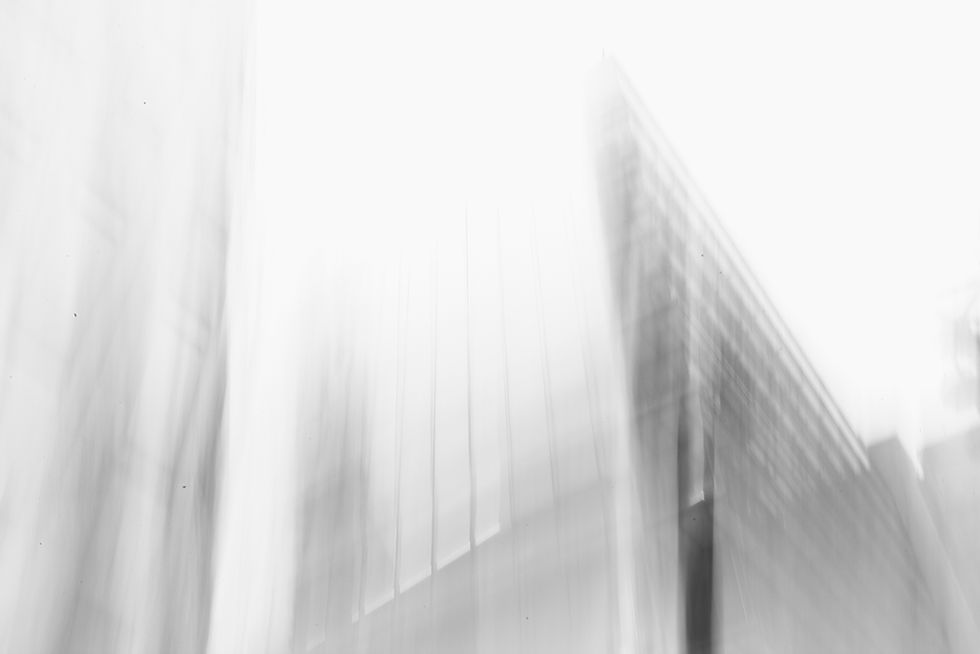
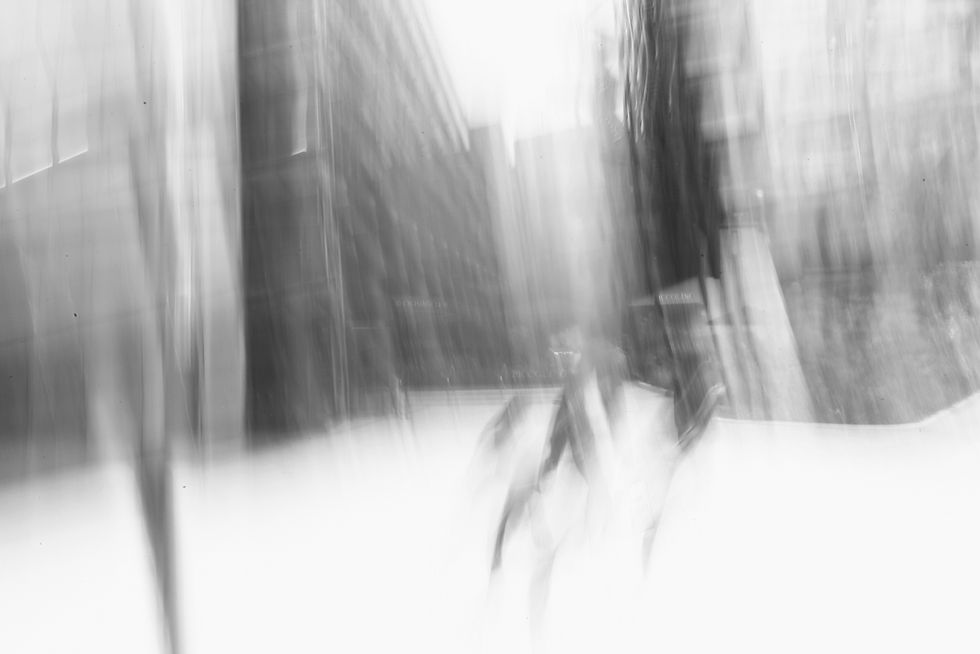

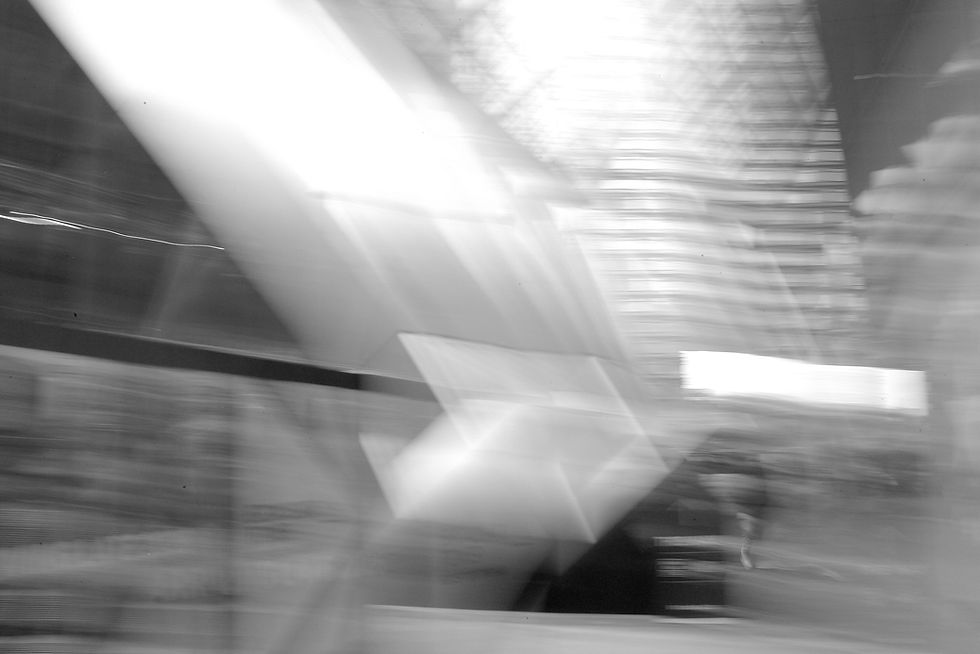


Drawing on the biblical metaphor of the "white sepulchre" (Matthew 23:27), White Sepulchres examines the monumental architecture of the City of London as an emblem of institutional power. Their immaculate facades project transparency, stability and civic legitimacy while concealing the complex and often opaque systems of finance, corporate governance and economic influence operating within.
Every photograph is taken from outside. Public access is denied, entrances are protected by private security, and the act of photographing these buildings attracted intervention from security personnel. This enforced distance is fundamental to the work: the facade becomes the only accessible surface, revealing architecture as a carefully managed threshold between public image and private power.
The photographs themselves mirror this condition. Buildings emerge only partially, their forms interrupted by absences, ghostly dissolutions and fragmented surfaces that resist complete visibility. The image refuses the certainty of documentary description, instead embodying the instability of what can and cannot be known. What is revealed is inseparable from what remains withheld.
These buildings are not neutral containers of commerce but monuments to institutions that have historically concentrated authority in predominantly male hands. While their exteriors perform openness and permanence, their guarded interiors remain spaces from which many have been structurally excluded, reflected in the continued underrepresentation of women in particular ranks of finance and corporate governance. In White Sepulchres, architecture becomes both a material and symbolic expression of institutional power, where visibility, access and authority are unequally distributed.